Your Customers Might Be Shopping for Themselves: How To Tap Into the Self-Gifting Trend on Etsy
When we talk about selling on Etsy, the conversation often focuses on traditional gift-giving holidays: Valentine’s Day, Mother’s Day, Christmas, and so on. Etsy’s buyer surveys, conducted monthly throughout 2025, revealed that 29% of Etsy shoppers were actively searching for a gift, while another 24% were browsing for inspiration without a specific item in mind.
That being said, here’s a statistic that might change the way you look at your listings:1 in 3 U.S. consumers say they plan to buy themselves a gift during the holiday season. This is one of the clearest illustrations of a broader, ongoing shift. Consumers are normalizing buying gifts for themselves as well as for their loved ones.
This research, conducted by Deloitte, shows us something important about consumer behavior: the desire to treat oneself holds, even under financial pressure. It doesn’t disappear. Rather, it adapts. Consumers find ways to give themselves “retail therapy” within their budget. Since they are being mindful of their spending, they tend to seek out items that feel meaningful and personal.
Understanding this buyer behavior is one of the most underutilized growth strategies among Etsy sellers. If your listings only speak to the person searching for a holiday gift for someone else, you may be missing a significant and loyal segment of your audience.
The Rise of Self-Gifting: From Personal Indulgence to Self-Care
Purchasing something personally meaningful as a reward, comfort, or motivator has evolved from being a “personal indulgence” into a normalized form of self-care. What was once dismissed as a frivolous splurge is now widely accepted as an intentional investment in maintaining joy and personal happiness. This shift in gifting behavior reflects a broader cultural change in how people relate to treating themselves.
For Etsy sellers, this is a meaningful market trend. Handmade, thoughtfully crafted, and personalized items sit squarely in the “sweet spot” of what this audience seeks.
Who Is the Self-Gifting Shopper?
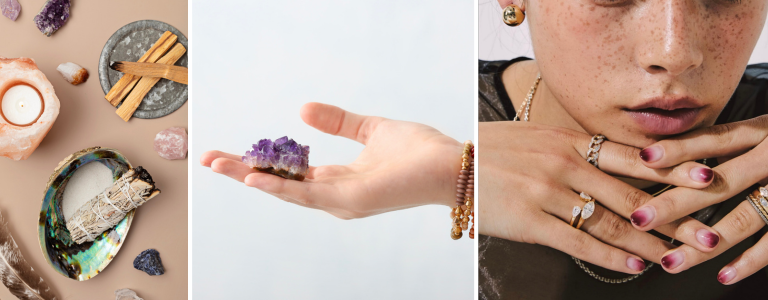
This behavior spans all demographics, but younger generations lead the charge as the undisputed pioneers of this behavior. Consumer data consistently shows this self-treating trend is accelerating, and that personal purchases have become a regular part of how younger buyers shop.
PwC’s 2025 Holiday Outlook survey of 4,000 U.S. consumers, composed of 1,000 respondent participants per generation, adds a striking detail: self-gifting intent rises from 33% to 46% for Gen Z. And Gen Z goes further still, directing approximately 39% of its entire holiday budget towards buying for themselves (leaving the remaining 61% for family and friends), even when that overall budget is shrinking. Millennials and Boomers direct 62% and 67% of their spending towards family gifts, respectively. This may be a deliberate generational shift, rather than an impulse.
The picture is consistent beyond the US. A survey of over 2,000 UK Christmas shoppers by eBay Advertising found that 29% of Brits say they plan to spend more on themselves than on friends or family. This percentage rises to 50% among Millennials.
Today’s buyers in this segment view personal wellness as an essential expense, are drawn to authentic storytelling and socially conscious brands, and prioritize the idea of gifting themselves with a personal reward whenever the occasion calls for it. They exhibit strong loyalty once they find a shop that resonates with their values. Historically, women have led this behavior, but men are increasingly participating, showing a special interest in fashion accessories and unique artisan pieces. Millennials and Gen Z show the highest propensity toward self-purchase. These generations both shop for and share their purchases on platforms like Instagram and TikTok. This behavior provides key insights to marketers.
A very important thing to remember is that this audience skews heavily towards online shopping. Nearly 1 in 3 UK shoppers prefers to shop online for gifts, simply due to convenience and the ability to browse at any hour. That makes this audience a natural fit for online marketplaces like Etsy.
What Do Self-Gifters Buy? Categories and Market Trends To Watch
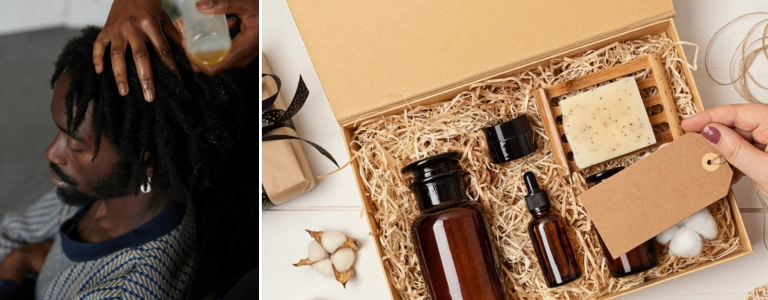
This audience looks for items that blend indulgence with practical everyday value. This demand stays consistent across the calendar, not just around Cyber Monday, Prime Day, and other gifting events.
Across markets, the category data is consistent. eBay Advertising’s UK survey found that fashion and accessories top personal purchase lists (31%), followed by beauty and wellness (27%), electronics (24%), household essentials (23%), and gaming (19%). Deloitte’s U.S. data confirms this pattern: 59% of self-gifters choose clothing and accessories as their top self-gift category.
Apparel, Fashion, and Accessories: This type of gift covers personalized jewelry, statement pieces, and comfortable fashion items. These personal indulgences also serve as tools for identity expression.
Beauty, Wellness, and Personal Care: Artisanal bath products, spa-style sets, and custom candles are purchased as intentional investments in relaxation. Self-love framing resonates strongly here.
Home Decor and Lifestyle: Art prints, weighted blankets, and decorative accents help buyers turn their living space into a personal sanctuary.
If you’re unsure which of your products already attract this audience, eRank’s Traffic Stats Tool can help you identify key patterns in your shop’s traffic, including whether buyers arrive through gift-giving searches or more self-directed ones.
Why Self-Gifters Are a High-Value Audience (and an Opportunity for Sellers on Etsy)

Retailers and brands operating at scale have already recognized the opportunity presented by this audience. Every savvy retailer is adapting in whatever way suits them best. Here’s why Etsy sellers should, too.
They love what Etsy has to offer: According to Etsy’s 2025 Annual Report, approximately one-third of Etsy’s total sales volume comes from custom or made-to-order items. Buyers in this segment are drawn to items that feel personal and singular. These are the kinds of purchases that mass retail cannot replicate.
They make purchases throughout the year: Unlike traditional holiday shoppers and other shoppers driven by fixed occasions, this audience is triggered by everyday moments: a special day in their life, a work achievement, or even a rough week. As we mentioned earlier, Etsy’s 2025 buyer surveys found that 24% of shoppers were browsing for inspiration without a specific item in mind, a behavior that exemplifies the psychology behind buying for yourself. This translates into more consistent revenue across every shopping season, holiday sales included.
They are loyal: Once a buyer finds a shop aligned with their identity and values, they tend to return often to take advantage of the best deals and new drops. As mentioned earlier, these buyers also love to share their purchases on social media. High loyalty is a defining characteristic of this segment.
They aren’t just in the US: While PwC’s survey confirms a rise in self-gifting among American shoppers, eBay Advertising’s research shows that nearly 1 in 3 Brits plans to spend more on themselves than on others this holiday season, rising to half among that generation. Buying gifts for others and buying for yourself increasingly happen in the same session, and personal purchasing is a normalized part of how buyers across Etsy’s core markets shop.
Making Self-Gifting Work for Your Shop: Practical Steps
Making this a real driver for your shop starts with strategic shifts in messaging, visuals, and offers.
Shift your keyword strategy: During holiday shopping season and beyond, this audience doesn’t search the way gift-buyers do. Instead of “gift for mom,” they search for “everyday gold necklace” or “treat yourself gift.” Use eRank’s Keyword Tool to identify treat-yourself search terms with real volume in your niche. Phrases like “self-care gift for women” often show steady demand that doesn’t track with the holiday calendar.
Build self-gifting campaigns beyond Q4: Consider self-gifting campaigns (and broader holiday campaigns) timed around Valentine’s Day personal rewards, New Year intentions, or a pampering day. “Self-Gifting Saturday” is a growing social media concept that gives shoppers permission to treat themselves without a traditional marketing occasion. These marketing strategies reach your audience when other sellers are off their radar.
Update your visual storytelling: Are your listing photos showing a wrapped present, or someone enjoying the product for themselves? Show the ritual. Show the unboxing. Help the viewer picture themselves with the item.
Use bundling and offers strategically: Offering gifts with purchase, free gift wrapping over a threshold, or “buy one, keep one” sets gives your customers a reason to add something for themselves. This proven approach among retailers and brands translates well to independent Etsy shops.
Create a dedicated shop section: The motivations for self-gifting are personal. So, make it easy for this audience to find what resonates with their personal preferences and values. A curated section labeled “For You,” “Personal Picks,” or “Treat Yourself” helps customers navigate without sifting through gift-oriented categories. This small structural change can have a big impact on how easily your audience finds what they’re looking for.
What the Self-Gifting Trend Tells Us About Today’s Buyers

The self-gifting behavior data from Deloitte, PwC, and eBay Advertising all point to the same truth: modern buyers, especially younger generations, are no longer waiting for an external occasion to treat themselves. They are taking agency over their own well-being. The line between “gift” and “everyday essential,” which exists somewhere between self-worth and indulgence, has become meaningfully blurred. And, as this behavior continues to grow in 2026, brands that adapt to this shift can earn lasting loyalty from this audience.
Independent Etsy sellers are structurally well-positioned for this. Products that are handmade and personal are exactly what this audience seeks. Whether they’re mid-shopping spree during peak season or browsing on a quiet Tuesday in March, they will be drawn to offerings that are crafted with intention. You’re not just selling a product. You’re offering someone the experience of choosing something meaningful for themselves. That’s a powerful position to occupy.
Ready to master Etsy SEO and grow your shop? Visit eRank University to watch step-by-step video courses designed to help you boost your listings’ visibility, increase sales, and grow your Etsy business.
Our team is continuously improving eRank’s tools to better serve our members. Due to this, some of the content featured in this post may differ from the content featured on erank.com.