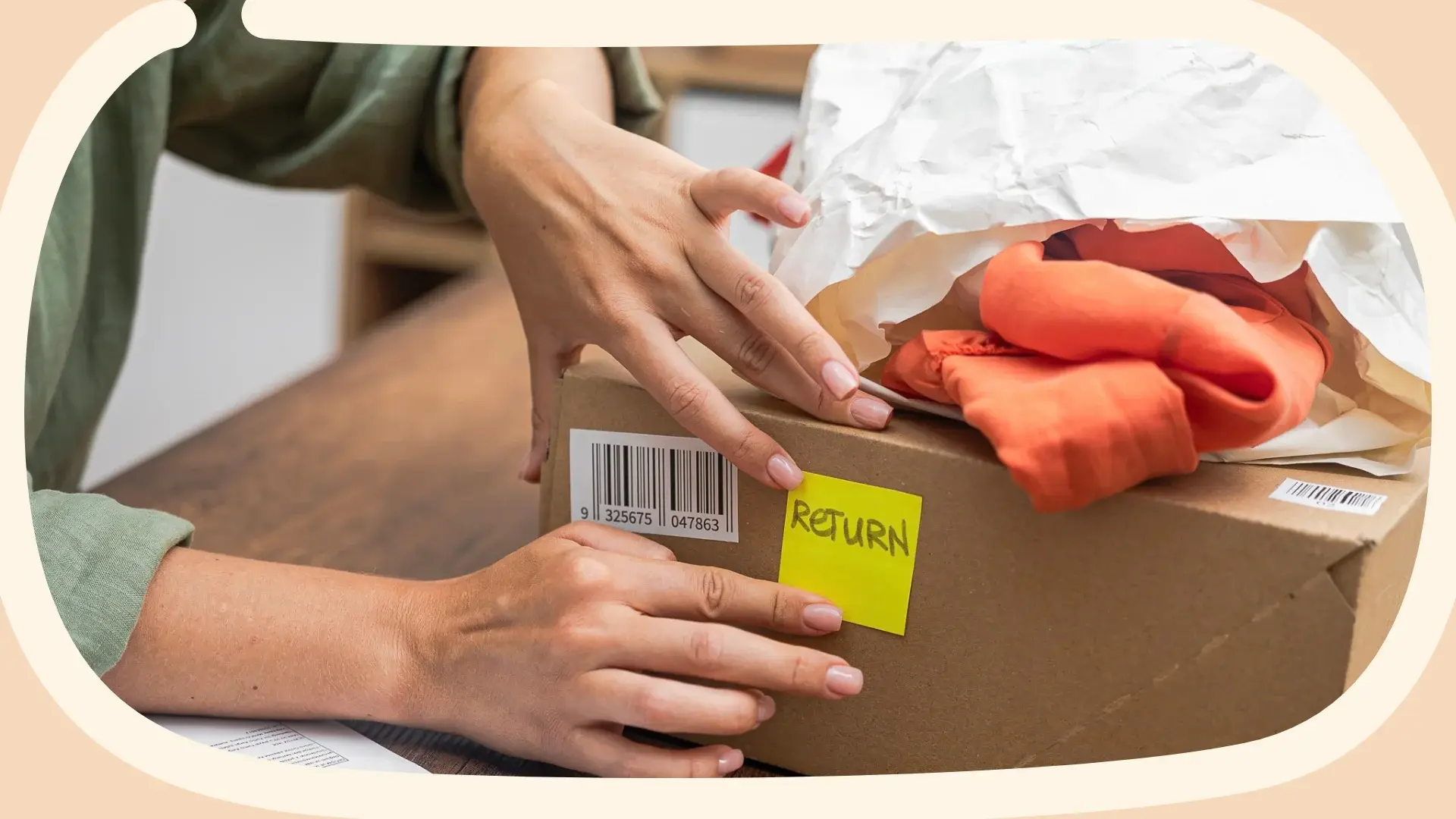
We’ve probably all experienced it. Despite your best intentions and hard work, a shipment gets lost or has a severe delay, and you need to refund the customer. Not only does this eat into your profits, but it also can be discouraging. Fortunately, Etsy’s Purchase Protection Program may help in certain situations.
With this program, Etsy says it will refund the buyers of qualifying purchases up to $250 dollars (or your shop’s local equivalent) when a package is lost or damaged in transit.
Am I Eligible For Purchase Protection?
The Purchase Protection Program is available for certain sellers who meet Etsy’s customer service standards. These standards help both Etsy and shoppers feel confident in your shop, and heighten the feeling of professionalism.
Metrics for these standards include:
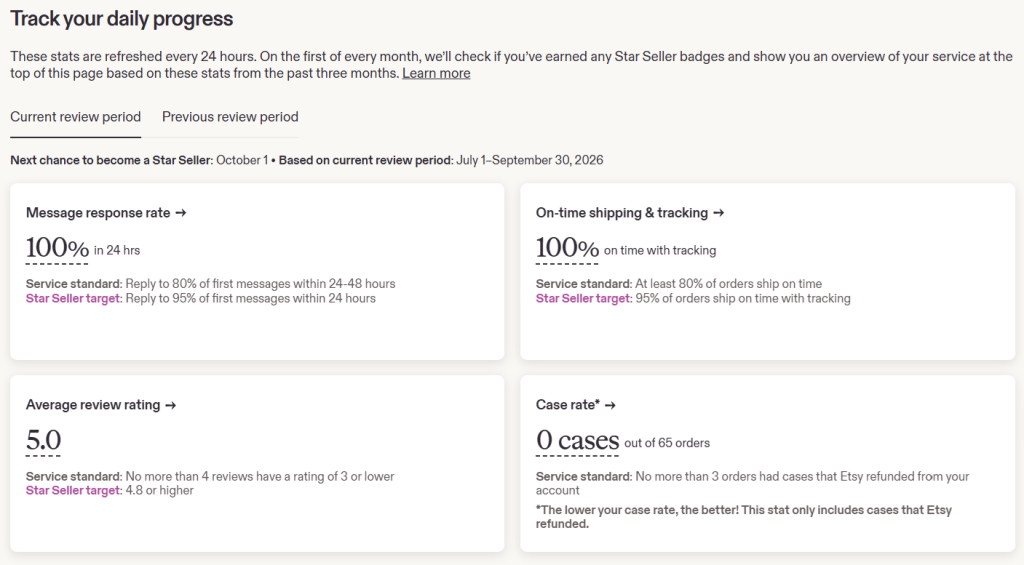
- Message Response Rate: Respond to 80% of first messages in a thread within the first 48 hours.
- Review Rate: For shops with fewer than 40 reviews, no more than four reviews should be three stars or less. For shops with over 40 reviews, less than 10% of should be three stars or less.
- Case Rate: For shops with less than 300 orders, no more than three orders should have cases refunded from the seller account. For shops with 300+ orders, less than 1% of cases should be refunded from the seller account.
To see if your shop meets Etsy’s standards, click on Customer Service Stats from your Etsy shop manager. It’s worth checking in periodically, especially after a busy period, to ensure that your shop still meets their criteria.
Are My Orders Covered?
To make sure your packages are eligible, they must:
- Have a valid tracking number. Etsy says the best way to ensure this is to purchase shipping labels directly from them. If this isn’t possible for you, make sure to mark the order as complete and enter in the tracking number from wherever you purchase labels.
- Ship within your stated processing timeframe.
- Match the listing description.
- Be packed securely. Etsy covers only one damaged package per calendar year.
What Isn’t Covered?
Packages containing products valued over $250 dollars won’t be fully covered. Should an issue arise, Etsy will refund eligible orders the first $250 dollars from their funds, with the remainder coming from the seller’s account. For these products, Etsy strongly advises purchasing shipping insurance. Check with your carrier before shipping to see what insurance options are available. For US sellers, USPS, UPS, and other carriers offer insurance options for an additional fee.
Etsy also mentions that packages that don’t match the description of the listing won’t be covered. Use this as an opportunity to review your listings. This will not only help maintain realistic expectations for your buyers but also to make sure Etsy and you are on the same page regarding what’s being shipped.
How Can Buyers Use The Program?
When a buyer (or seller) notices that a package is either delayed or lost, the first step would be for the buyer to send a help request to the seller. After 48 hours, buyers have the option to escalate the case to Etsy, at which point the Protection Program will kick in for eligible orders. Buyers can open cases for up to 30 days after eligibility begins.
When does eligibility begin? Etsy defines a late package as one that arrives seven or more days after the estimated delivery date.
Buyers are unable to receive refunds after the 30-day window has passed, so it’s important for sellers to be aware of delayed packages. Have a saved reply to send to buyers when their package is delayed, letting them know about the Program and what the next steps are.
A Plan for Package Issues
Some of the costliest issues for sellers come from lost or damaged packages. There is not much worse than dealing with a customer who is disappointed because their package was lost or damaged. And a lot of times, if it’s even an option, carrier insurance claims can take forever. This can tie up your profit in a problem that you didn’t cause, not to mention the cost of replacing the item or refunding the customer.
When Etsy provides more resources to its sellers, everyone wins. Having the Purchase Protection Program ready when things go wrong gives shoppers more confidence to buy, and sellers more tools for the unexpected.